
Chinatown Area Guide – Bangkok
Chinatown is one of Bangkok’s oldest neighbourhoods – and one of its most misunderstood.
Most visitors experience it in flashes: neon signs on Yaowarat Road, sizzling seafood stalls, crowded pavements after dark. But step away from the main road and a different side of Chinatown emerges – one of riverside lanes, fading shophouses, hidden courtyards, street murals, and independent cafés tucked into century-old buildings.
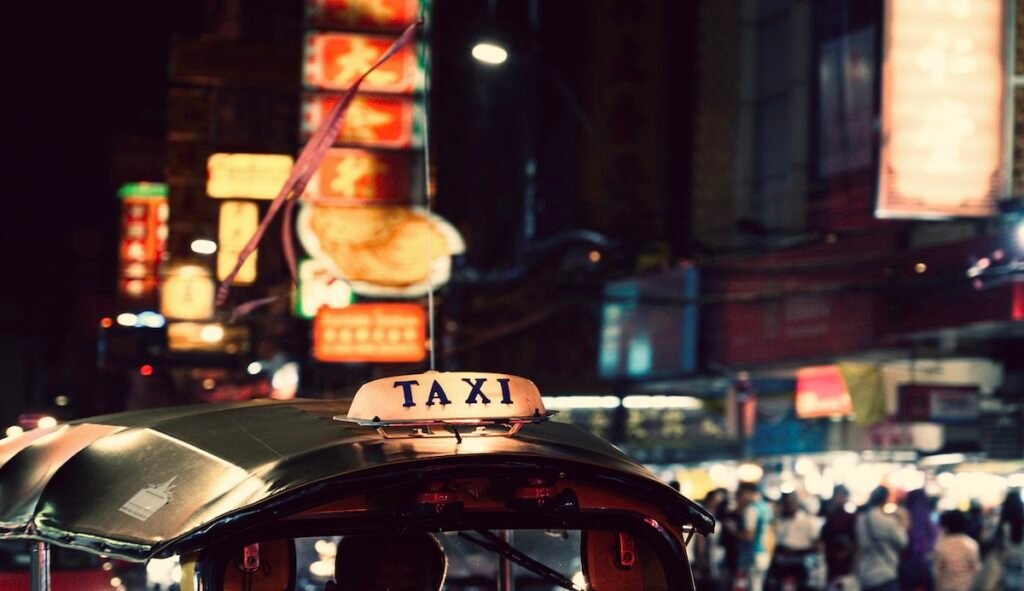
If you’re looking for comfort and simplicity, other areas may be easier. But if you want Bangkok to feel like Bangkok, Chinatown is hard to beat.
Overview & Character
Centred around Yaowarat Road, Bangkok’s Chinatown is one of the city’s oldest districts, established over 200 years ago. It remains a working commercial neighbourhood as much as a visitor destination. Gold shops, wholesale traders, traditional medicine stores, mechanics, markets, and street vendors all operate side by side.
But Chinatown is not one uniform experience.
- Yaowarat Road – High energy, neon-lit, crowded at night.
- Song Wat Road – Historic shophouses, slow revival energy, creative spaces.
- Talat Noi – Street art, riverside lanes, old Chinese-Thai homes.
- Riverside pockets near Ratchawong Pier – Quiet, local, atmospheric.
The commonly heard “too noisy, too busy” reputation mostly applies to Yaowarat itself. A few streets toward the river, traffic drops dramatically and the area becomes one of the most walkable and visually interesting neighbourhoods in Bangkok.
Low-rise buildings dominate. You won’t find walls of high-rise condos or shopping complexes here. Instead, you get layered architecture, faded signage, iron balconies, hidden shrines, and side streets that feel unchanged for decades.
If you enjoy wandering without a checklist, Chinatown is arguably Bangkok’s most rewarding neighbourhood to explore on foot.
Why Stay in Chinatown?
Chinatown won’t suit everyone, but for certain travellers, it can be an exceptional base.
Atmosphere & Character
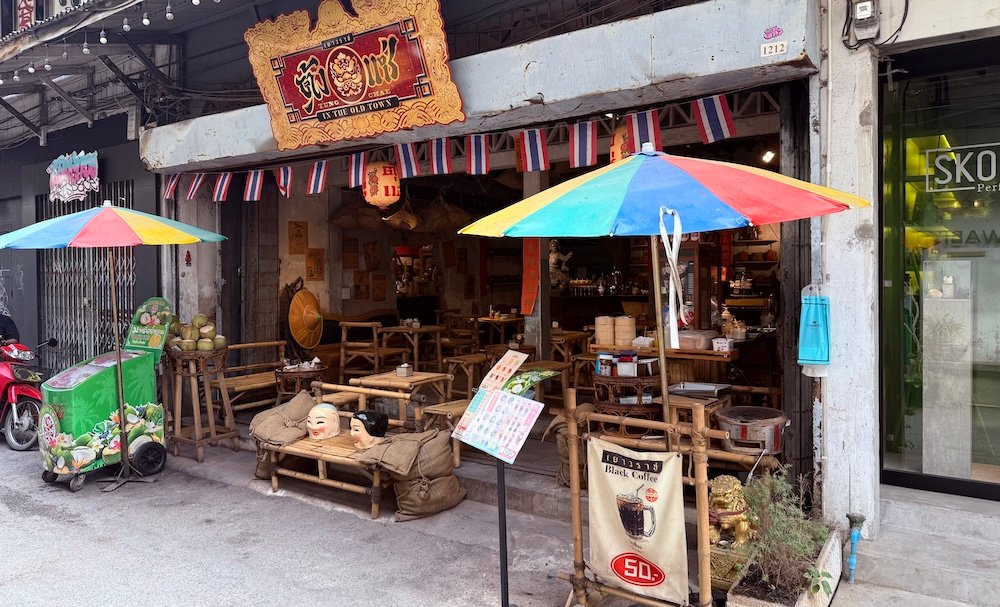
This is one of the most textured areas in the city. It feels lived-in and authentic, not master-planned or mall-driven.
Walking & Exploration
Few Bangkok neighbourhoods reward aimless wandering like this one. Small lanes lead to unexpected cafés, murals, markets, and riverside views.
Creative & Independent Atmosphere
Street art, independent coffee shops, small fashion brands, antique stores, galleries, and repurposed warehouses give parts of Chinatown a distinctly creative vibe.
Excellent Food
Still one of Bangkok’s most exciting food districts – from legendary noodle stalls to modern reinterpretations of Chinese-Thai cuisine.
MRT & River Access
Wat Mangkon MRT Station connects directly to Silom and Sukhumvit via the Blue Line. River piers offer boat access toward ICONSIAM and the Riverside area. You’re also not far from the Grand Palace and Wat Arun area, and even Khao San Road is only a few kilometres away.
Potential Drawbacks
– Yaowarat itself can be hectic in the evenings
– Footpaths are narrow and uneven in places
– Fewer large international hotels
– Not connected to the BTS Skytrain (MRT only)
For travellers seeking polished infrastructure, mall convenience, or large luxury chains, areas like Sukhumvit or the Riverside may be more comfortable.
Who Chinatown Suits Best
Chinatown works particularly well for:
- Independent travellers
- Longer-stay visitors (those on 1+ month trips, regional travellers)
- Creative professionals and digital nomads
- Photographers and content creators
- Food-focused travellers
It’s less ideal for:
- First-time visitors wanting maximum ease
- Families with strollers
- Travellers who prioritise big shopping malls
It’s not certainly “difficult” – but it works better for travellers who enjoy exploring rather than being guided between top 10 attractions and transit hubs.
Food in Chinatown
Food remains one of Chinatown’s major draws.
Evenings along Yaowarat are electric — seafood grilled over charcoal, peppery noodle soups, roast duck, crispy pork, and dessert stalls serving sesame dumplings and mango pudding.
But away from the main road, you’ll also find:
- Small heritage cafés in renovated shophouses
- Modern Thai-Chinese restaurants
- Low-key local eateries filled with neighbourhood regulars
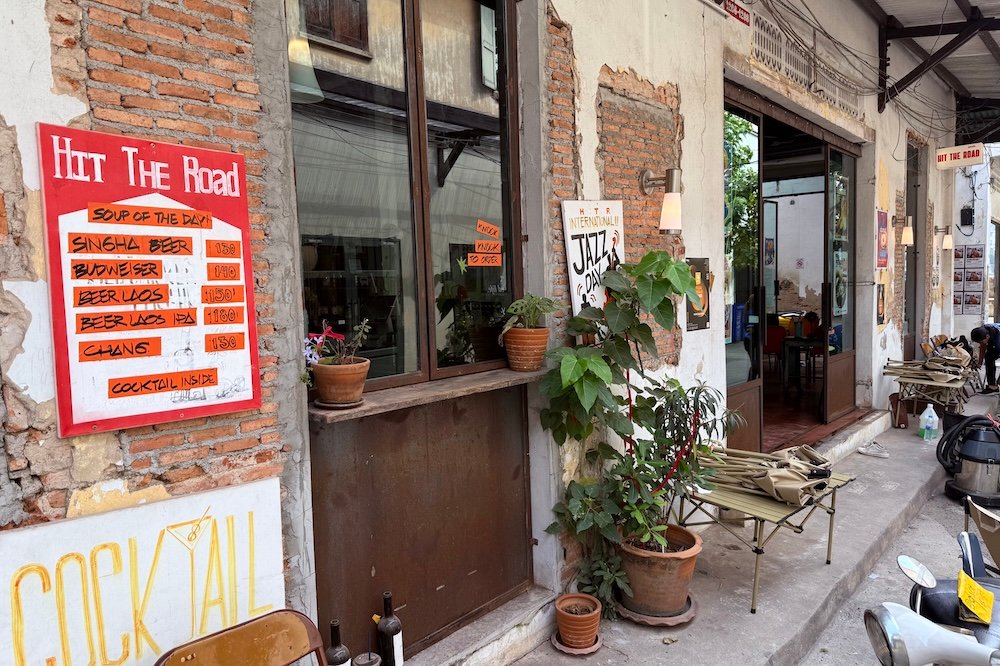
- Hidden cocktail bars tucked above old shopfronts
Rather than chasing specific “must-eats,” Chinatown is best experienced by wandering and following busy tables and long queues.
Chinatown Sights & Cultural Highlights
But Chinatown isn’t just about food. The area holds a surprising number of historic and creative landmarks.
Wat Traimit
Home to the world’s largest solid gold Buddha statue, Wat Traimit is located near the western edge of Chinatown.
Wat Mangkon Kamalawat
Chinatown’s most important Chinese Buddhist temple – atmospheric, active, and culturally significant.
So Heng Tai Mansion
A rare surviving 19th-century Hokkien-style mansion tucked away in Talat Noi — one of the area’s most fascinating hidden spots.
Holy Rosary Church
Also known as Kalawar Church, one of Bangkok’s oldest Catholic churches, quietly standing near the river.
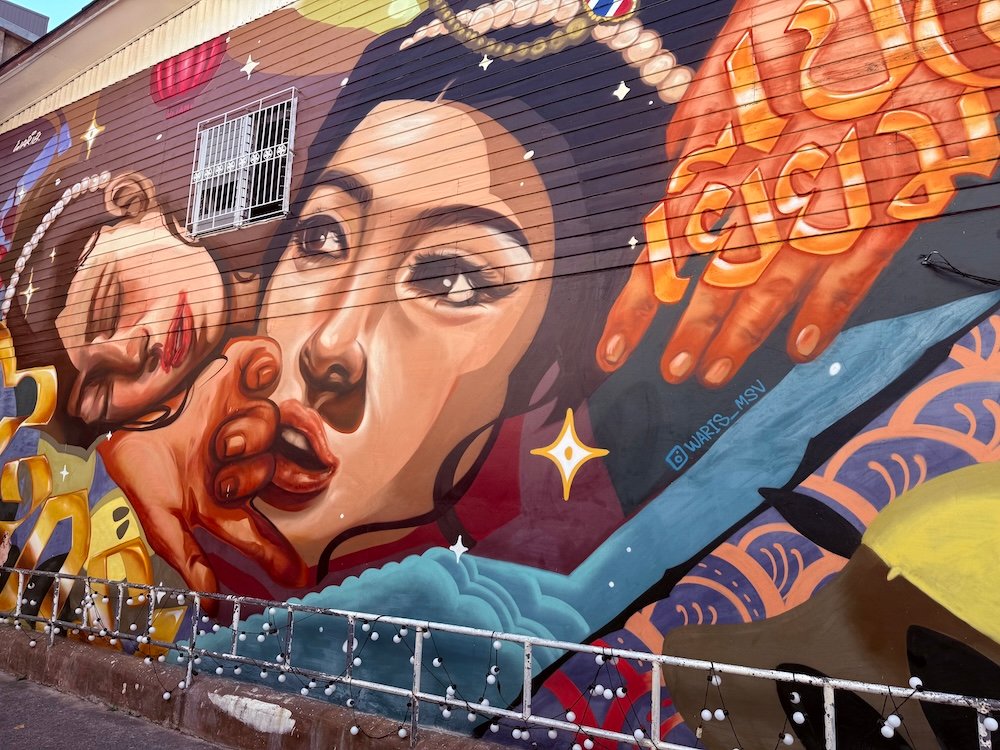
Street Art & Murals
Talat Noi is known for large-scale murals painted on old industrial buildings, including the widely photographed elephant mural by Belgian artist ROA. These works add a contemporary creative layer to the historic district.
River City Bangkok
A cultured arts and antiques centre near the river, River City Bangkok is almost opposite ICONSIAM. It hosts exhibitions, talks, auctions, and contemporary art events — particularly appealing for art lovers.
Warehouse 30
Technically just south in Bangrak but easily walkable, Warehouse 30 is an industrial-chic complex that combines galleries, design shops, film screenings, cafés, and community spaces – very much aligned with Chinatown’s creative edge.
Where to Stay in Chinatown
Chinatown’s hotel scene reflects the neighbourhood itself: independent, characterful, and generally better value than Bangkok’s main shopping districts.
You won’t find many large five-star international chains here. Instead, accommodation leans toward boutique guesthouses, renovated shophouses, and modern boutique-style hostels that offer both dorms and private rooms.
For travellers comfortable without full-service luxury facilities, Chinatown offers some of the best-value stays in central Bangkok, with plenty of well-reviewed private rooms often priced in the lower end of the market, with many available under US$50.
When choosing a hotel here, positioning matters. The most comfortable stays are typically:
- A short walk from Wat Mangkon MRT Station
- A few streets away from the busiest section of Yaowarat Road
- Closer to Song Wat Road, Talat Noi, or the river piers
Being slightly off the main road makes a noticeable difference to noise levels and overall atmosphere. The places listed below fit that criteria and are offered as suggestions and not recommendations.
Budget & Boutique-Style Stays
Sampheng House
Located closer to the river and within walking distance of both MRT and nearby piers, Sampheng House is a simple, well-positioned option for travellers prioritising value and location. Rooms are straightforward but comfortable, and the setting makes it easy to explore Song Wat and Talat Noi on foot.
Pho Place
A bright, modern low-budget property within easy reach of Wat Mangkon MRT. Rooms are compact but clean and practical, making it a solid base for travellers who plan to spend most of their time exploring rather than staying in.
Luk Hostel
One of the more design-forward hostel options in the area. While it offers dormitories, it also has private rooms for those who prefer more privacy. Interiors are stylish and contemporary, and the atmosphere appeals particularly to younger independent travellers. It suits solo visitors or couples looking for a social but not party-heavy environment.
N5 Ratchawong Hostel
Positioned near Ratchawong Pier, this property benefits from immediate river access and a quieter setting away from Yaowarat’s main traffic. Despite the “hostel” label, it offers private rooms alongside shared options. A practical choice for travellers who like the idea of river transport and a slightly calmer base.
Mid-Range Boutique Option
Marlowe-Tony’s Home
A more polished and intimate property within walking distance of Wat Mangkon MRT. Rooms feel more refined than typical budget guesthouses, making it a good fit for travellers who want Chinatown’s character without sacrificing too much comfort. Its location away from the busiest streets enhances the overall stay experience.
The Character Yaowarat
Modern and well positioned close to MRT access while remaining slightly removed from the most chaotic sections of the main road. Rooms are contemporary and functional, offering a comfortable balance between affordability and design.
What to Expect from Chinatown Hotels
Compared to Sukhumvit or the Riverside:
- Rooms are often smaller
- Facilities are more limited (fewer rooftop pools and large gyms)
- Luxury chain options are minimal
- Value for money is generally stronger
For many travellers, this trade-off is worthwhile. You gain atmosphere, walkability, and neighbourhood texture, while still being well connected to the rest of the city.
Hotel availability is typically solid year-round, though peak season (November to February) sees higher demand. As always in Bangkok, booking in advance improves both choice and value.
Chinatown Nightlife & Evening Atmosphere
Chinatown isn’t a clubbing district, but it has quietly developed one of Bangkok’s most interesting small-scale bar scenes.
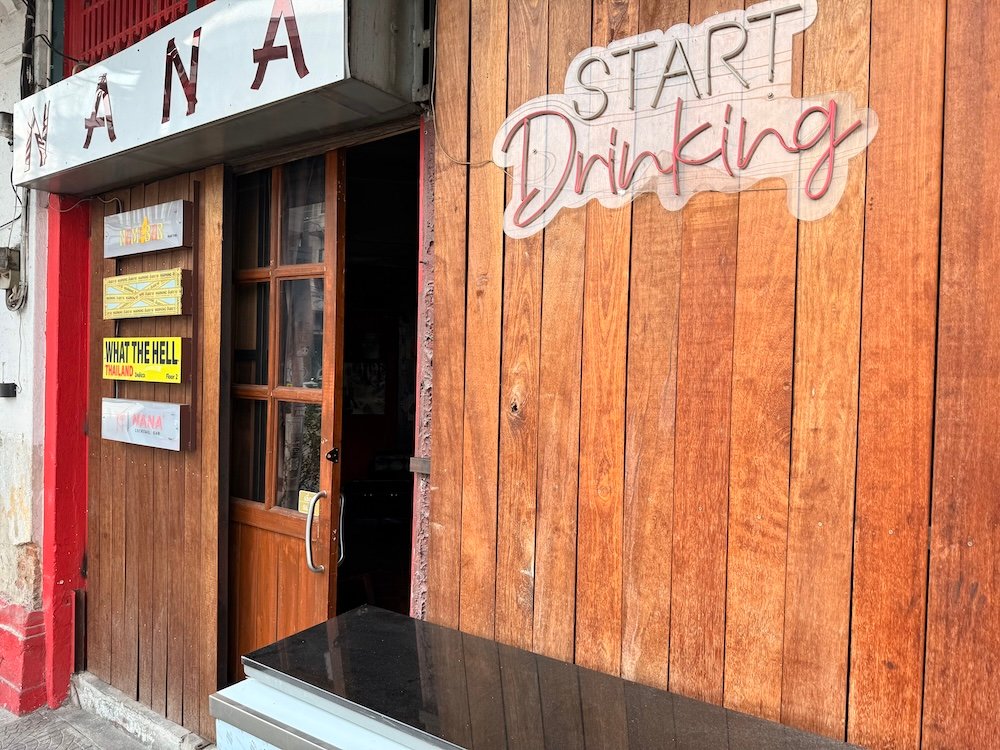
Evenings begin on Yaowarat Road, where neon lights reflect off metal shutters and street food smoke fills the air. But for nightlife beyond food, the real energy sits a few streets away – particularly around Soi Nana (Chinatown, not the Sukhumvit district of the same name).
This compact lane has become a low-key hub for creative, cocktail-focused venues that attract a mix of locals, expats, and in-the-know travellers.
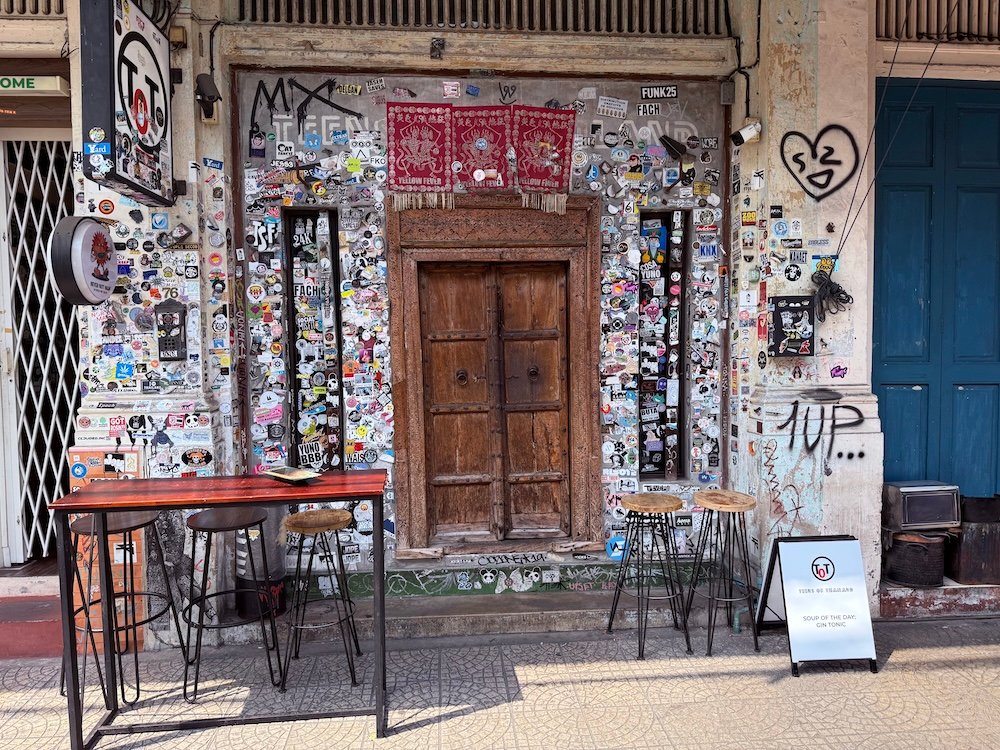
Notable spots include:
- Teens of Thailand – One of the bars that helped define the area’s reputation. A small, atmospheric gin-focused cocktail bar with a loyal following.
- Nana Bar – An early pioneer of Soi Nana’s revival, known for inventive drinks and an intimate setting.
- What The Hell Thailand – A more relaxed and playful venue with a creative crowd.
- Nami Bar – A low-rise rooftop option offering an open-air alternative to Bangkok’s mega rooftop bars.
- Red Rose Bar – Located within a heritage-style building near Yaowarat, often featuring live music.
- HANNIBAL – A more hidden rooftop space on the upper floors of the Pichaiyart Building, offering skyline views without the scale or pricing of major hotel rooftops.
- Brown Sugar – One of Bangkok’s most established jazz venues, drawing both serious musicians and casual listeners.
The overall atmosphere is social but not chaotic. You won’t find large nightclubs or all-night party strips here. Instead, Chinatown’s nightlife feels curated and compact – easy to bar-hop on foot, and more about conversation and music than spectacle.
If you’re looking for full-on nightclubs or large-scale rooftop bars, Sukhumvit will suit you better.
But if you prefer intimate cocktail bars, jazz, and a slightly underground feel, Chinatown delivers something far more distinctive.
Getting Around
Chinatown is more connected than many assume. Reaching other areas in Bangkok won’t present any problems.
MRT
Wat Mangkon MRT Station makes access easy. From here, you can reach:
- Sukhumvit (Asok area)
- Silom
- Chatuchak
- Hua Lamphong
Transfers to BTS are straightforward via interchange stations.
River Boats
Nearby piers provide access to the Chao Phraya River boat network, connecting to ICONSIAM, the Grand Palace area, and Riverside hotels.
Walking
This is one of Chinatown’s strongest points. While footpaths can be uneven, the area rewards slow exploration far more than Bangkok’s mall-dominated districts.
Chinatown Pros & Cons Summary
Pros
- Exceptional character and heritage
- possibly the best area in Bangkok for exploratory walking
- Creative, independent atmosphere
- Strong food culture
- Good value accommodation
- MRT and river access
Cons
- Yaowarat Road is busy and can be crowded (but it’s very much worth a visit)
- Limited luxury hotels (some may view this as a plus)
- Not BTS-connected (although with the MRT station and river transport it’s not a major issue)
- Infrastructure less polished
Is Chinatown Right for You?
Chinatown isn’t Bangkok’s most convenient district, nor its most luxurious. It doesn’t offer the mall density of Siam, the balance of Silom or the concentrated buzz of Sukhumvit.
What it offers instead is character: layered streets, strong food culture, independent bars, and some of the most rewarding walking in the city.
For short-term holidaymakers seeking simplicity, other areas may make more sense. But for independent travellers, longer stays, and anyone drawn to creative neighbourhoods, Chinatown can be an unexpectedly compelling base.
It may not be the obvious choice – but that’s part of its appeal.