
Visitor Tips – Practical Bangkok Essential Tips
A smooth trip to Bangkok is mostly about knowing a few basics. These visitor tips cover the practical essentials first-time travellers ask about most often – from SIM cards and money to etiquette and emergency help – with some common scams explained at the end, so you can enjoy the city with confidence.
SIM Cards, eSIMs & Staying Connected
Staying connected in Bangkok is easy, affordable and reliable.
Options you’ll see most often:
- Tourist SIM cards (physical SIM)
- eSIMs (digital SIMs you install before or on arrival)
- Portable Wi‑Fi devices (less common now)
Where you can buy:
- Bangkok airports (Suvarnabhumi & Don Mueang): very convenient after landing, but typically more expensive
- 7‑Eleven stores: widely available, cheaper than airport booths, good for basic data plans
- Official mobile shops in malls (AIS, True, dtac): best choice if you want advice, plan options or longer stays
Airport vs city purchase:
- Airport SIM Card Purchases: pay a small premium for speed and convenience
- City SIM card Purchases: better prices and more choice if you can wait
What most visitors choose:
- A tourist SIM or eSIM with generous or unlimited data for 7 to 15 days
- Coverage in Bangkok is excellent, including BTS/MRT and most indoor areas
eSIM vs physical SIM:
- eSIM: install before arrival, no shop visit, ideal if your phone supports it
- Physical SIM: easy to buy on arrival, and staff will usually set it up for you
Money, Cash & Currency Exchange
Thailand is still a cash‑friendly country, especially for street food, taxis, markets and small shops.
Key points:
- Thai currency is the Thai Baht (THB)
- ATMs are everywhere, but usually charge a flat withdrawal fee for international cards
- Credit cards are accepted in hotels, malls and higher‑end restaurants
Currency exchange tips:
- Exchange rates are usually better in the city than at the airport
- Exchange chains such as SuperRich are widely regarded for offering competitive rates, but it’s always worth comparing nearby exchange counters to get the best rates
- Exchange offices are often very strict about banknote condition: torn, marked or dirty notes may be refused
ATMs & withdrawal fees:
- Thai ATMs typically charge a 220 – 250 Baht fee per transaction for international cards, regardless of the amount withdrawn
- When prompted on the ATM screen, decline Dynamic Currency Conversion (DCC) and continue without conversion so your home bank sets the exchange rate
A common approach by many visitors is to withdraw larger amounts less often, and combine ATM withdrawals with occasional currency exchange.
Getting Around: Practical Visitor Tips
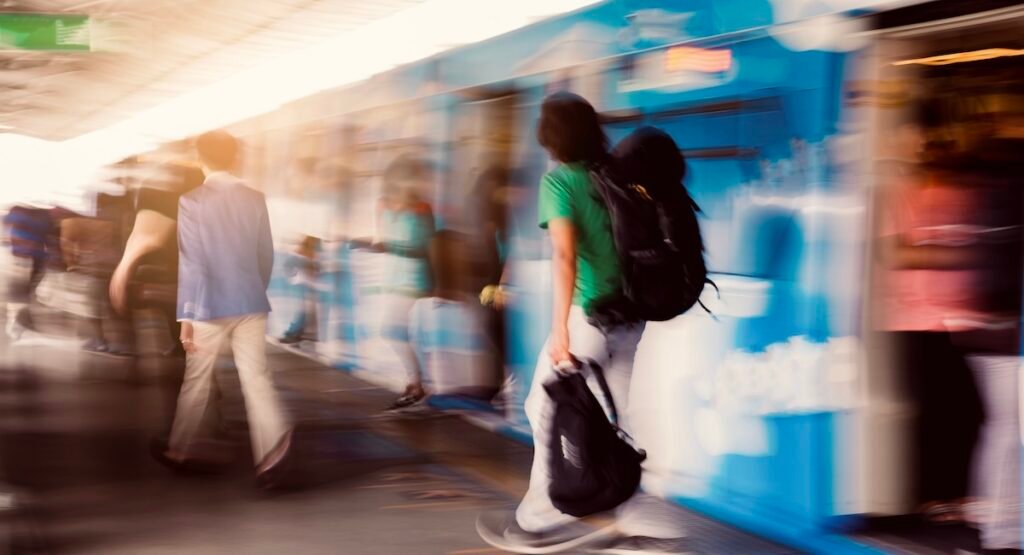
Bangkok’s transport system is safe and easy to use once you know the basics.
Taxis & ride‑hailing:
- Official taxis are metered – always insist on the meter
- If a driver refuses, simply get another taxi
- Ride‑hailing apps (Grab, Bolt, etc.) are widely used and convenient
Tuk‑tuks:
- Fun for short rides
- Always agree on the price before you get in
Public transport:
- BTS Skytrain and MRT Subway are fast, air‑conditioned and tourist‑friendly
- River ferries are scenic, cheap and practical for some routes
For a deeper dive on the BTS & MRT networks and more check out our Getting Around Bangkok guide.
Emergency Numbers & Tourist Help
Bangkok is very safe by global standards, but it’s still worth saving these numbers.
Important emergency numbers:
- Tourist Police: 1155 (English spoken)
- General Emergency / Police: 191
- Ambulance & Fire: 1669
The Tourist Police are specifically trained to assist visitors and are often the best first point of contact for lost items, minor disputes or scams. For peace of mind, you can download the official Thailand Tourist Police App for Android or iOS. You will probably never need it, but it doesn’t hurt to have.
Thai Etiquette & Cultural Basics
Thais are friendly and welcoming, and visitors are rarely expected to be perfect, but a little awareness goes a long way.
Good to know:
- Dress modestly when visiting temples (covered shoulders and knees)
- Remove shoes when entering homes and some shops
- Avoid touching anyone on the head
- Keep your voice calm, losing your temper is frowned upon
A polite smile and a relaxed attitude will get you far in Bangkok.
Personal Safety & Health Tips
Bangkok is generally very safe, even at night in busy areas.
Simple precautions:
- Watch your belongings in crowded areas
- Be cautious with alcohol in unfamiliar places
- Use licensed taxis or ride‑hailing apps
- Stay hydrated – Bangkok’s heat can catch visitors off guard
Hospitals and international clinics in Bangkok are excellent and widely used by travellers.
Common Scams to Be Aware Of (Without the Drama)
Bangkok is not a dangerous city, and most visitors never experience a scam. However, it helps to recognise a few well‑known situations that target tourists – frequently by non‑Thais.
A useful rule of thumb:
Ordinary Thai people generally do not approach strangers on the street to start conversations.
If someone approaches you out of the blue and strikes up conversation with an unusual story or offer, it’s fine to politely disengage.
Street Approaches
- Someone makes conversation about your banknotes: this will likely lead to pickpocketing
- Someone commenting on your hair loss, skin, weight, or health: it will lead to them trying to sell you overpriced and useless “herbal” cures
- Someone claiming to be injured – sometimes showing fake “wounds” – and asking for money to get to a hospital
- Overly friendly “What’s up, bro?” approaches that may involve illegal drugs
A polite no thank you and walking away is enough. Seasoned visitors will simply ignore and keep walking: engaging is a waste of your time.
Transport‑Related Scams
- Taxi meter “not working” – simply get out and find another taxi
- Tuk‑tuk drivers offering to “go anywhere” for 20–50 baht – this offer usually involves unwanted stops at tailor shops or gem stores with well-practised sales pressure
- “Grand Palace is closed today” – it almost never is; this usually leads to a tuk‑tuk “tour” (see above)
None of these are dangerous, just mildly annoying if you don’t recognise them. An unplanned visit to a gem store or tailor shop often ends up with the victim making a purchase they later regret.
Frequently Asked Questions: Visitor Tips FAQ
Is Bangkok safe for first‑time visitors?
Yes. Bangkok is considered very safe by international standards. Violent crime against tourists is extremely rare, and most visits are completely trouble‑free. Normal city awareness is all that’s needed.
Should I buy a SIM card at the airport or in the city?
Airport SIMs are convenient if you want instant connectivity, but they cost more. If you’re happy to wait, SIMs bought in the city (7‑Eleven, malls or mobile shops) are usually cheaper and offer more plan choices.
Do I need cash in Bangkok?
Yes. While cards are widely accepted in malls and hotels, cash is still essential for taxis, markets, street food and smaller businesses.
Why did the ATM ask me about currency conversion?
This is Dynamic Currency Conversion (DCC). Always choose to continue without conversion so your own bank applies the exchange rate – it’s almost always better.
Who should I call if I need help as a tourist?
The Tourist Police (1155) are trained to assist visitors and speak English. They’re the best first point of contact for most non‑urgent issues, and have probably dealt with whatever issue you are having a thousand times.
Do locals really not approach strangers on the street?
Generally, no. Friendly conversations usually happen in shops, restaurants or bars. Unsolicited street approaches are uncommon and can be politely ignored. If you approached on the street it is likely to be by a non-Thai, and invariably it will be a scam.
Final Thoughts
Bangkok is one of the world’s most welcoming big cities. With a little practical knowledge, and a relaxed mindset you can focus on enjoying the food, culture, nightlife and everyday things that make the city so memorable.
If something feels off, trust your instincts, smile, and move on. That’s usually all it takes.